
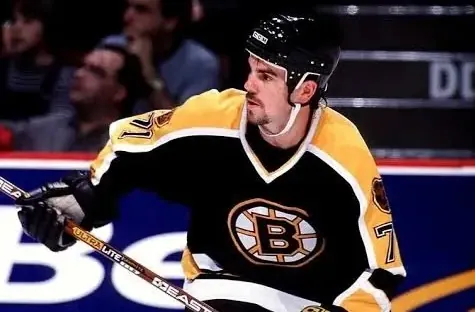
Undrafted out of the WHL, Terry Virtue played 16 seasons of pro hockey. Behind the bench, from major junior to high school hockey in Pittsburgh, he gives back what his own coaches gave him.
$241 a week
Nobody drafted him. Terry Virtue started his career in the ECHL and had to fight for every step up. "I was making two hundred and forty-one dollars a week, and we had to pay our own rent," he recalls.
He made it anyway: 16 pro seasons, mostly in the American Hockey League, several All-Star Games, one of them as captain, and playing time with the Rangers and the Bruins. "Which was huge."
The veteran who got others ready
Around 26 or 27, he figured out what his real job was. "I realized back then I was the guy to help guys get to the NHL."
Defencemen like Bryce Salvador and Jamie Rivers came through his teams. "It was my job to get them to the next level, as an older guy, as a mentorship." He played until 36. Near the end, he was sitting with the coaches, "being more of a coach than I was a player."
From major junior to Pittsburgh
When he retired, he went back to where he played his junior, the Tri-City Americans in Washington. The team had the three best years in its history, including a trip to the 2010 WHL final, lost to the Calgary Hitmen.
Next came the Owen Sound Attack, near where his family is from. The team had finished last the year before. As associate coach, he ran the defensive zone and the penalty kill. Owen Sound won the OHL championship.
Then he chose to spend time with his son and coach him growing up. That choice led him to high school hockey in Pittsburgh. In his second season, his team won the PIHL championship. "I don't think they ever won before at that level, and they haven't won since. It's not like they're a big powerhouse school."
Learning to read pressure
With a partner who played a little for the Leafs and a lot in Europe, he ran plenty of skills sessions in Massachusetts. They would watch other skills guys set up cones. "Those guys don't know how it is when there's a guy that's two hundred pounds coming at you in the corners, and you've got to get out of that corner with the guy on your back."
That's what many kids are missing in games. "Some of these kids go and they play, and they don't have their heads on a swivel. They're not knowing where the pressure is coming from because they've never learned it."
His answer: game-like repetitions in practice. Then showing the kid where the pressure came from, and what they could have done better.
His advice to parents
"Parents spend a lot of money on their kids, and sometimes it's not worth it. They're doing this because they want the kids to succeed and have the best. So you want to try to help them out the best you can, and the right way too."
Passing it on
This summer, he ran skills sessions with his son again. "You get to know the kids and the parents. You want the best for them."
He knows where that comes from. "I wouldn't have had the career I had without some great coaches along the way, and people to tell me how to do it. So I love to pass that on to other kids, so they get the best opportunity they can."
The people growing the game, a Taggley series