
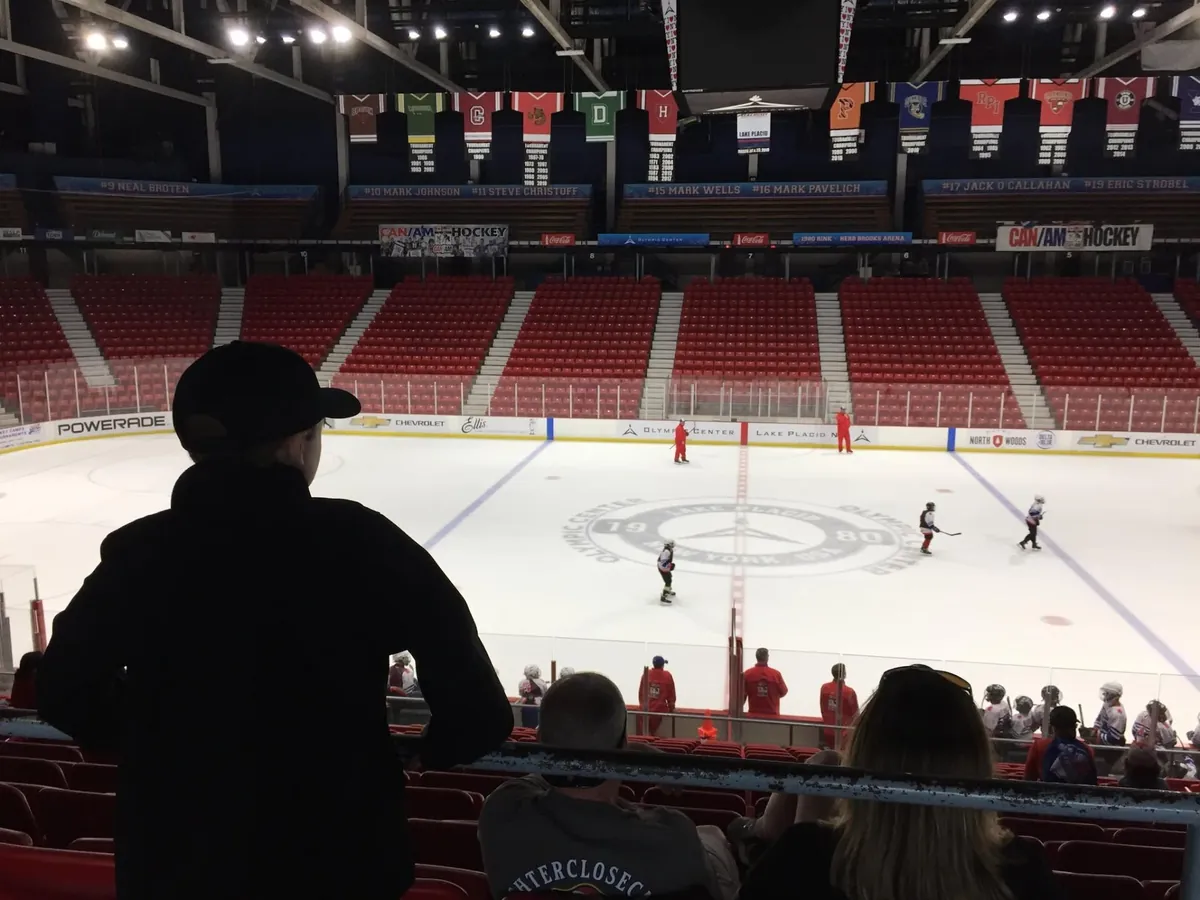
AAA hockey is worth it when the player wants it, the family can afford it without strain, and the program delivers more practice, coaching and fun than the alternative. In youth hockey and minor hockey, published AAA team fees run from about $5,800 to over $10,000 a season before travel, and the research on birth month and early specialization argues for patience.
Every family's answer is different, and every choice in this article is a reasonable one. The goal is to put real, published numbers and real research in front of you before you sign a team contract in the spring.
How much does AAA hockey cost?
There is no single price. AAA fees are set by each club or association, and what the fee includes changes from one program to the next. Here is what several programs publish on their own sites:
| Program | Season | Published fee per player | What the page says is not included |
|---|---|---|---|
| Calgary Royals (Alberta) | 2026-27 | U13 AAA $5,800; U15 AAA $7,450; U18 AAA $10,495 (CAD) | Helmets, gloves, jackets; raffle and bingo commitments |
| Ohio AAA Blue Jackets | 2026-27 | 10U $6,100; 12U $6,500; 14U $8,600; 18U $10,500 (USD) | Helmet, game jerseys, pants, extra skills sessions, coaches' travel shares, personal travel |
| Jr. Kraken AAA (Seattle) | 2026-27 | 14U $8,000; 16U and 18U $8,500 (USD) | Travel, additional tournaments |
Two other published figures help set the frame:
- The Aspen Institute's Project Play parent survey found ice hockey was the most expensive of 21 sports, at $2,583 per child per year in 2019 (USD), against $693 for the average sport. That figure covers every level, from house league up.
- RBC's cost study of a Toronto family with a child in AA or AAA hockey put the average at $4,478 a year, and $53,735 by age 16 (CAD, June 2024).
A 2019 survey of more than 1,000 hockey parents across North America by FlipGive and Scotiabank found over 60% spent more than $5,000 a year, nearly 16% spent over $10,000, and 35% took on personal debt. That survey didn't split results by level.
What parents actually pay for, line by line
Registration and team fees
This is the line that surprises families most, because "registration" can mean two very different things. RBC's Toronto scenario uses $933 a year for registration, covering ice time and liability insurance. A full-budget AAA club like the Calgary Royals bills a single team fee that combines a program fee and a "cash call." Ask what the number covers before you compare two teams.
Ice and coaching
In most programs, ice is inside the team fee. The Ohio AAA Blue Jackets publish their budget: about 44% goes to programming (ice, league fees, tournament entries, officials) and about 33% to paid coaches and staff. When a AAA team costs more than AA, paid coaching and extra ice are usually the reason.
Travel
Travel is often the biggest line that isn't in the fee. Project Play's 2019 survey called travel the costliest feature in youth sports. In RBC's scenario, a single two-night provincial tournament in Ottawa cost $463 in hotel. Some US clubs also split the coaches' flights and hotels among families, as the Blue Jackets do.
Tournaments
RBC uses about $200 per tournament entry and roughly $600 a year. Some AAA fees include league and playoff tournaments; extra showcase events are usually billed separately.
Equipment
RBC estimates $269 a year at ages 5 to 8, rising to up to $1,357 a year for teens playing at higher levels. Many AAA teams also require a club helmet, gloves or jacket bought from an approved supplier.
Private training and camps
RBC's figures include $175 an hour for private lessons and $1,530 for a week of summer camp. In the FlipGive survey, 48% of parents spent nothing on private lessons, so this line is a choice, not a requirement.
Fundraising and time
In the FlipGive survey, 79% of parents fundraised and 61% said their team or league required it. Time is a cost too: nearly 80% spent five or more hours a week on practices, games and tournaments.
What age does AAA hockey start?
It depends on where you live:
- Quebec: Hockey Québec's 2023-2024 elite league rules list M13 AAA as the first AAA category: U13 (12U/Peewee).
- Alberta: clubs such as the Calgary Royals start AAA at U13 (12U/Peewee).
- Ontario: some associations list AAA much younger. The Waterloo Minor Hockey Association publishes AAA fees from U10.
- United States: USA Hockey's Tier I national championship divisions start at 13 and Over and 14U, according to Minnesota Hockey's Tier I FAQ. Private clubs still run "AAA" teams younger, like the Blue Jackets at 10U.
Is AAA hockey worth it? What the development research says
The relative age effect
Children born early in the selection year are bigger and more mature at the same age, so they're picked more often. Roger Barnsley, who first documented this in hockey, found that in 1983 Major Junior rosters, 41.5% of players were born January to March and 9.7% October to December. In a 2025 perspective article in Frontiers in Sports and Active Living, he reports that the 2023 data are "essentially identical." For parents, the lesson is simple: a cut at U11 (10U/Squirt) often reflects a birth month, not a ceiling.
Early specialization
The American Academy of Pediatrics' clinical report on sports specialization (Brenner et al., Pediatrics, 2016) warns that when specialization happens too early, "detrimental effects may occur," physically and psychologically. USA Hockey's ADM states that early specialization "actually limits and damages prospective hockey players". Hockey Manitoba's summary of Hockey Canada's Long-Term Player Development model encourages other sports early and only reduces them in the Train to Train stage (about 12 to 16 for boys).
The research isn't one-sided. A 2023 study of 15 Ontario Hockey League players (Garland et al.) found they started competitive hockey earlier than recommended, but they also played an average of 5.6 other sports at age 12 and only rated themselves highly specialized at 14.
Burnout and enjoyment
In the 2019 Project Play survey, the most common reason a child quit a sport was that they stopped enjoying it. Researcher Travis Dorsch, quoted in the same article, says kids can feel pressure to perform when parents spend heavily on their sport. In the 2025 Project Play survey, 11% of sports parents believed their child could reach the pros or the Olympics.
What AAA does give a player
AAA isn't only a cost. Published fees usually buy more practice ice, paid coaches, off-ice training and, at the Jr. Kraken, video analysis included in the fee. A player who loves the game and is ready for faster pace can get a lot from that environment. The question is whether your child needs it now, or whether AA, A or a strong house program plus summer fun will develop them just as well at a lower cost.
Five questions to ask before you commit
- What exactly does the fee include? Ice, coaching, tournaments, jerseys, travel for coaches?
- How many tournaments, and where? Ask for last season's schedule.
- What are the fundraising requirements, and what happens if you can't meet them?
- How much ice does each player get, and how is ice time shared in games?
- What does your child want? Ask them, away from the rink.
For a deeper look at the selection side, see our guide to what coaches look for at AA and AAA tryouts.
Coach's note: Seeing their own plays on video helps players at every level, not only on AAA teams with a video budget. On Taggley, coaches send clips straight to players and parents in the app, and parent and player accounts are free. A coach can break down a game in about 15 minutes and share the moments that matter.
Frequently asked questions
Is AA or AAA better for development?
Neither is better for every child. AAA usually means more ice and faster pace; AA can mean more puck touches and more ice time per game. The best level is the one where your child plays an important role, is challenged and still enjoys going to the rink.
How much does AAA hockey cost per year?
Published AAA team fees we found range from about $5,800 (U13 AAA, Calgary Royals, CAD) to $10,500 (18U, Ohio AAA Blue Jackets, USD) for 2026-27, before travel, extra tournaments and some equipment.
Does playing AAA young lead to junior or college hockey?
Not on its own. Selection at young ages is strongly linked to birth month, and many elite juniors played several sports until about age 12. Keep the long view.
Can you get financial help for hockey fees?
Ask your association before tryouts whether it offers financial assistance or a payment plan. The Calgary Royals, for example, spread team fees over three payments from October to December.
Sources
- Calgary Royals, Fees and Financial Assistance (2026-27 season)
- Ohio AAA Blue Jackets, Program Financial Report (2026-27 season)
- Kraken Community Iceplex, Jr. Kraken AAA 2026-27 Season Information
- Waterloo Minor Hockey Association, Rep Fees 2025-26
- Jon Solomon, "Survey: Kids quit most sports by age 11" (Aspen Institute Project Play, August 1, 2019)
- Jon Solomon, "Project Play survey: 11% of sports parents believe their child can go pro" (Aspen Institute Project Play, May 28, 2025)
- RBC, "Where did My Money Go: The Financial Reality of Raising a Hockey Player in Canada" (Royal Bank of Canada, June 10, 2024)
- FlipGive and Scotiabank, report on the real cost of hockey (FlipGive, survey of August 2019)
- Hockey Québec, LHEQ Cahier de charges 2023-2024 (August 2023)
- Minnesota Hockey, Frequently Asked Questions on Tier I
- Roger H. Barnsley, "40-years of relative age effects: life is not fair!" (Frontiers in Sports and Active Living, February 4, 2025)
- Brenner J.S. et al., "Sports Specialization and Intensive Training in Young Athletes" (Pediatrics 138(3), American Academy of Pediatrics, 2016)
- Michele Amidon, "10U Q-and-A: Will my kid fall behind without playing spring and summer hockey?" (USA Hockey ADM, March 5, 2015)
- Hockey Manitoba, "Better Athlete, Better Player"
- Garland W.J. et al., "Developmental activities of elite junior hockey players: an analysis of early sport specialization" (Frontiers in Sports and Active Living, October 2023)